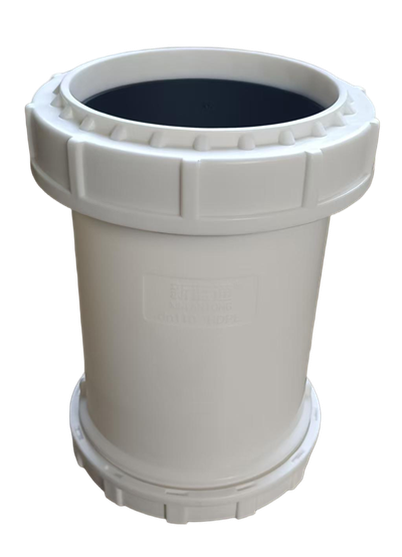
Analysis Of The Applicable Environments Of HDPE Water Trap
Leave a message
HDPE water traps, thanks to the combined advantages of their material and structure, maintain stable performance under various environments and working conditions, making them a widely used key component for odor prevention in building drainage systems. Their wide applicability stems from the weather resistance, corrosion resistance, and structural design flexibility of high-density polyethylene, allowing them to function reliably under different climates, media, and construction conditions.
From a climatic perspective, HDPE water traps can operate normally over a wide temperature range, generally from -40℃ to 60℃. In extremely cold regions, their low-temperature toughness is good, and they are not prone to brittle fracture, meeting the drainage needs of low-temperature environments such as outdoor spaces or cold storage in winter. In hot regions or high-temperature workshops, as long as prolonged contact with heat sources exceeding their tolerance limits is avoided, their morphology and mechanical properties remain stable. It is important to note that prolonged exposure to strong ultraviolet radiation may cause material aging; therefore, in outdoor direct sunlight applications, it is advisable to use light-shielding packaging or add a protective layer to extend their service life.
In terms of media adaptability, HDPE exhibits excellent resistance to most acids, alkalis, and salts found in domestic sewage, making it suitable for locations with complex discharge compositions, such as residences, hotels, hospitals, and laboratories. Its smooth inner wall reduces the adhesion of grease and suspended solids, lowering the probability of pipe blockage, thus making it suitable for drainage environments prone to oil stains, such as restaurant kitchens. However, for industrial wastewater containing aromatics, halogenated hydrocarbons, or high concentrations of organic solvents, compatibility must be assessed before selection to avoid swelling or performance degradation.
Regarding construction and application environments, HDPE traps can be flexibly used in both above-ground and underground drainage systems. The heat-fusion connection method allows for continuous sealing with pipes of the same material, making it suitable for projects with stringent seepage prevention requirements, such as high-rise buildings, underground garages, and subway tunnels. Its lightweight characteristics offer significant advantages in prefabricated construction and modular construction, effectively reducing lifting and handling difficulties and improving work efficiency.
In summary, HDPE water traps are suitable for a variety of environments with wide temperature ranges, diverse corrosive media, and varying construction conditions. As long as the appropriate type and protection are selected based on specific working conditions, their comprehensive value of odor prevention, durability, and economy can be fully realized.