How do I install a reducing HDPE Fusion Coupling?
Leave a message

As a supplier of HDPE Fusion Couplings, I often receive inquiries about the installation process. Installing a reducing HDPE Fusion Coupling is a crucial task that requires precision and knowledge. In this blog, I'll guide you through the step - by - step process of installing a reducing HDPE Fusion Coupling.
Understanding HDPE Fusion Couplings
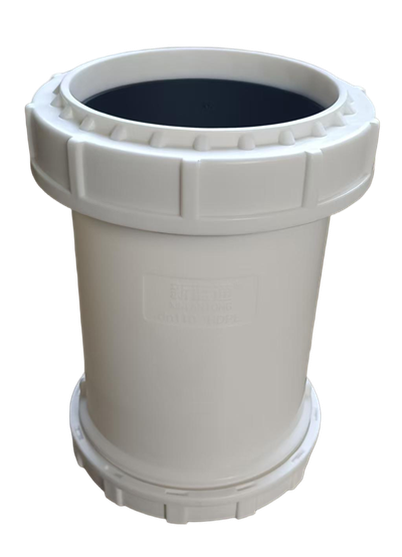
Before we dive into the installation process, let's briefly understand what HDPE Fusion Couplings are. HDPE (High - Density Polyethylene) is a thermoplastic polymer known for its high strength - to - density ratio, chemical resistance, and durability. HDPE Fusion Coupling is a type of coupling used to connect two HDPE pipes of different diameters (in the case of reducing couplings) or the same diameter. It creates a strong, leak - proof joint by melting the surfaces of the pipes and the coupling together.
Tools and Materials Required
- Fusion Welder: This is the most important tool for the installation. It is used to heat the surfaces of the pipe and the coupling to the appropriate temperature for fusion.
- Pipe Cutter: To cut the HDPE pipes to the required length.
- Deburring Tool: To remove any burrs or rough edges from the cut pipes.
- Measuring Tape: For accurate measurement of the pipes and the coupling.
- Cleaning Cloth: To clean the surfaces of the pipe and the coupling before fusion.
- Safety Equipment: Such as gloves and safety glasses to protect yourself during the installation process.
Step 1: Preparation
- Inspect the Materials: Check the HDPE Fusion Coupling and the pipes for any damage or defects. Make sure the coupling is the correct size and type for your application.
- Measure and Cut the Pipes: Use a measuring tape to determine the required length of the pipes. Then, use a pipe cutter to cut the pipes cleanly. After cutting, use a deburring tool to remove any burrs from the cut edges.
- Clean the Surfaces: Clean the outer surface of the pipes and the inner surface of the coupling with a cleaning cloth. Any dirt, grease, or moisture on the surfaces can affect the quality of the fusion joint.
Step 2: Heating the Surfaces
- Set up the Fusion Welder: Follow the manufacturer's instructions to set up the fusion welder. Adjust the temperature and pressure settings according to the specifications of the HDPE material.
- Heat the Pipe and the Coupling: Insert the heating element of the fusion welder into the coupling and onto the end of the pipe. Hold the pipe and the coupling in place for the recommended heating time. The heating time depends on the size and thickness of the pipe and the coupling.
Step 3: Joining the Pipe and the Coupling
- Remove the Heating Element: Once the heating time is complete, quickly and carefully remove the heating element from the pipe and the coupling.
- Insert the Pipe into the Coupling: Align the pipe with the coupling and insert the pipe into the coupling with a steady, continuous motion. Apply gentle pressure to ensure a proper fit. Do not rotate or twist the pipe during this process.
- Hold the Joint in Place: Hold the pipe and the coupling in place for the recommended cooling time. This allows the melted HDPE to solidify and form a strong joint.
Step 4: Inspection
- Check the Joint: After the cooling time is complete, visually inspect the joint for any signs of unevenness, gaps, or other defects. The joint should be smooth and uniform.
- Test the Joint: If possible, conduct a pressure test on the joint to ensure its integrity. This can help detect any leaks or weaknesses in the joint.
Other Types of HDPE Couplings
In addition to HDPE Fusion Couplings, there are other types of HDPE couplings available in the market. HDPE Compression Coupling is a type of coupling that uses compression to create a seal between the pipes. It is relatively easy to install and does not require a fusion welder. HDPE Threaded Coupling is another option, which has threaded ends for easy connection.


Advantages of HDPE Fusion Couplings
- Strong and Durable Joints: HDPE Fusion Couplings create a seamless, leak - proof joint that is as strong as the pipe itself. This makes them ideal for applications where a reliable connection is required.
- Chemical Resistance: HDPE is resistant to a wide range of chemicals, making HDPE Fusion Couplings suitable for use in various industries, including water supply, chemical processing, and sewage systems.
- Long - Term Performance: HDPE Fusion Couplings have a long service life, reducing the need for frequent replacements and maintenance.
Conclusion
Installing a reducing HDPE Fusion Coupling is a process that requires careful preparation, the right tools, and proper technique. By following the steps outlined in this blog, you can ensure a successful installation. If you have any questions or need further assistance with HDPE Fusion Couplings, feel free to contact us for more information and to discuss your procurement needs.
References
- Manufacturer's manuals for HDPE Fusion Couplings and fusion welders.
- Industry standards and guidelines for HDPE pipe installation.